
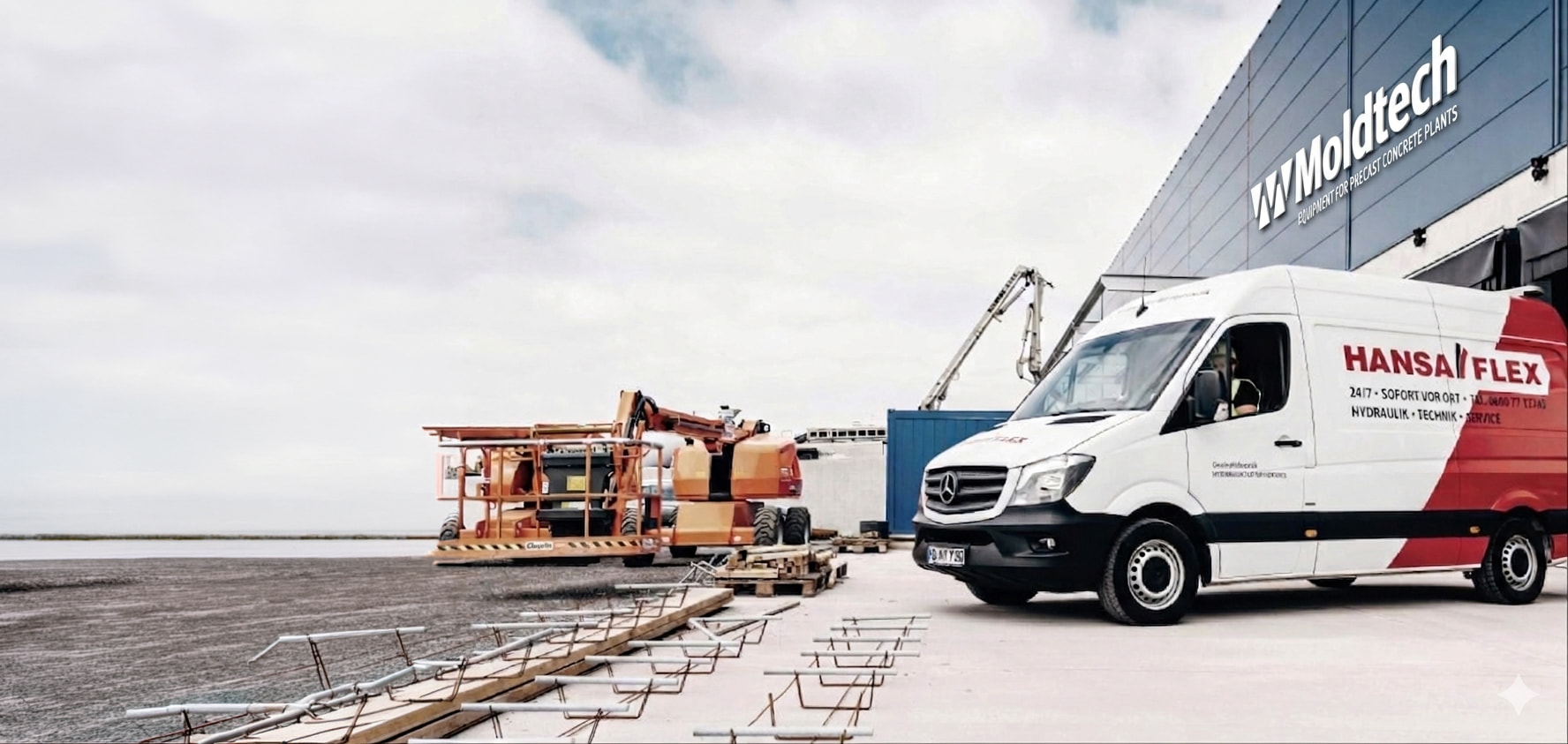
In complex industrial projects, success does not depend solely on design or manufacturing. It also depends on the ability to coordinate teams across different countries, optimize timelines, and respond quickly when circumstances demand it.
The Bulgaria project is a good example of this.
“
The ability to work as a single structure, regardless of location, is what makes HANSA-FLEX a true global partner.
A challenge that goes beyond technology
Moldtech operates in more than 80 countries across five continents, developing equipment projects for the precast concrete industry. At this scale, supplier selection stops being a logistical decision and becomes a strategic one: in such diverse environments, having the right catalog is not enough. You need the network, the stock, and the ability to react when projects require it.
In the context of an international project to commission a precast concrete plant, Moldtech needed to ensure operational continuity during a critical assembly phase, managed and coordinated from Spain. The challenge was not only technical. It was also logistical, with a deadline that allowed no delays. In that context, the collaboration with HANSA-FLEX Ibérica demonstrated that working with the supplier
Order in 48 hours
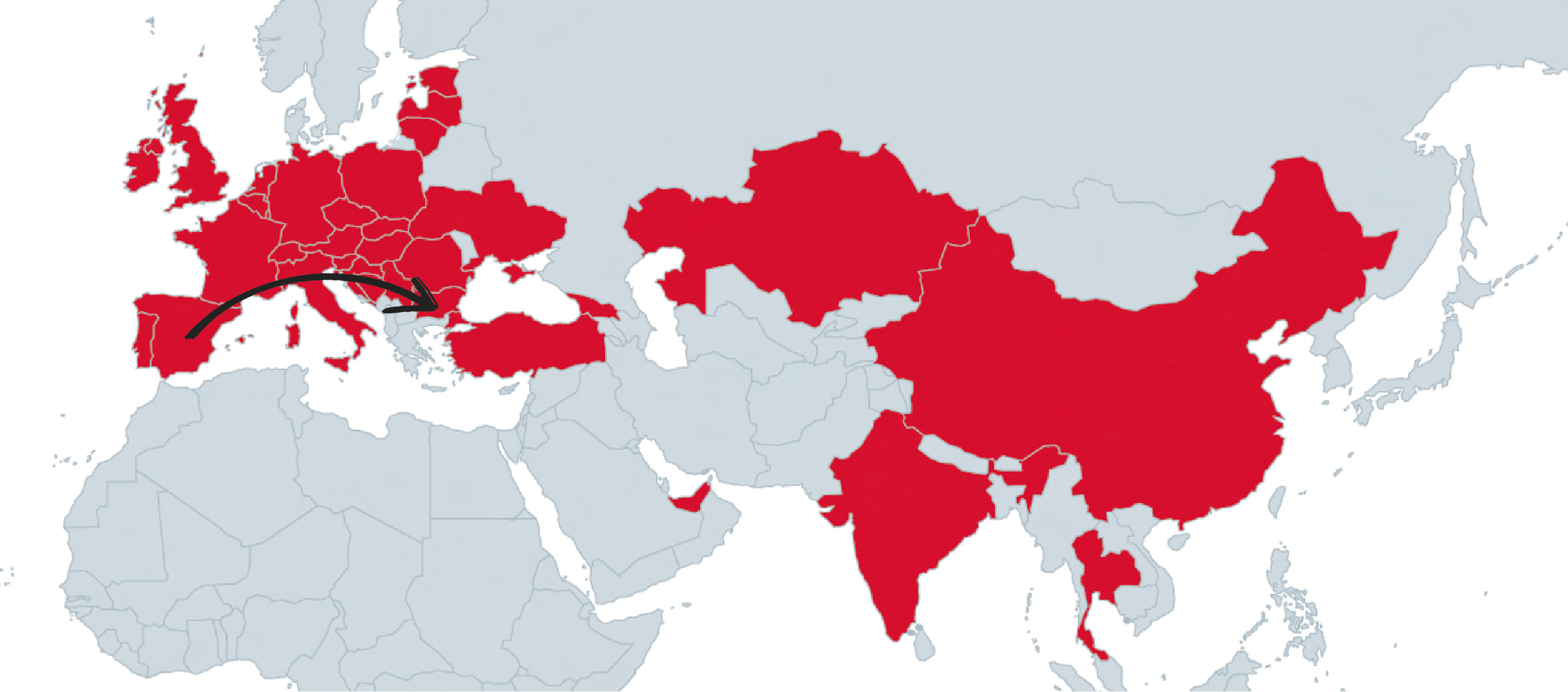
That requirement became tangible during the execution of the project in Bulgaria. The project required a supply of fittings and hydraulic tubing with specific technical specifications and immediate availability, with no margin for timing errors. The response came quickly: coordination between HANSA-FLEX Alcalá de Henares and HANSA-FLEX Sofia turned an urgent need into a delivery resolved in less than four days.
This responsiveness is not a one-off: it reflects HANSA-FLEX’s philosophy of maintaining broad, well-managed inventories across its network of more than 40 countries. When Moldtech placed the order, there was no need to manufacture, backorder, or wait for imports. The material existed, was available, and was compatible with the project’s specifications.
A collaboration model for global industry
The consequences of an incorrect or late supply are, in this context, immediate and significant: a mold that cannot operate due to a missing correct component stops the entire production line. For Moldtech, avoiding any interruption during commissioning is key, since a stoppage in this type of facility directly impacts the end customer’s deadlines and the project’s overall schedule. That is why, for Moldtech, hydraulic supply is not a logistical detail; it is a critical element of commissioning.
The Bulgaria case leaves a clear lesson—not only because of the project’s outcome, but because it shows a way of working based on technical collaboration, the ability to engage in dialogue, and a shared search for effective solutions. More than a supplier-client relationship, it reflects collaboration between industrial companies that contribute specialized knowledge from different, yet complementary, areas.
In an increasingly demanding industrial context, competitiveness is also built through well-coordinated technical alliances. When experience, logistics, responsiveness, and technological specialization move in the same direction, complex projects gain efficiency, reliability, and strength. That is precisely the difference that defines strategic partners.
Hydraulics transform motion into precision, stability, and productivity
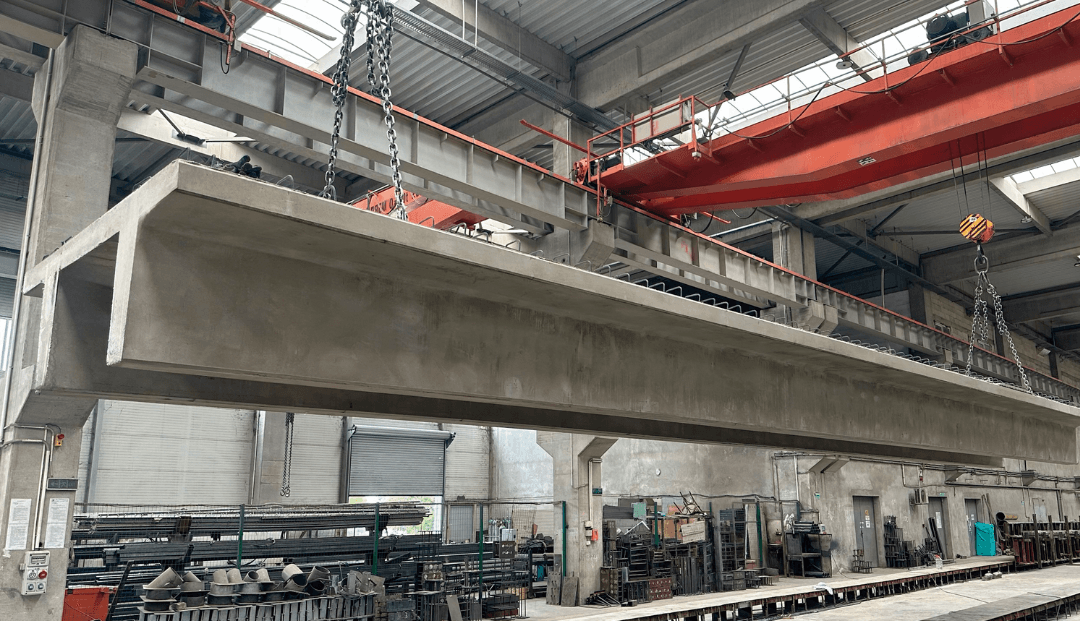
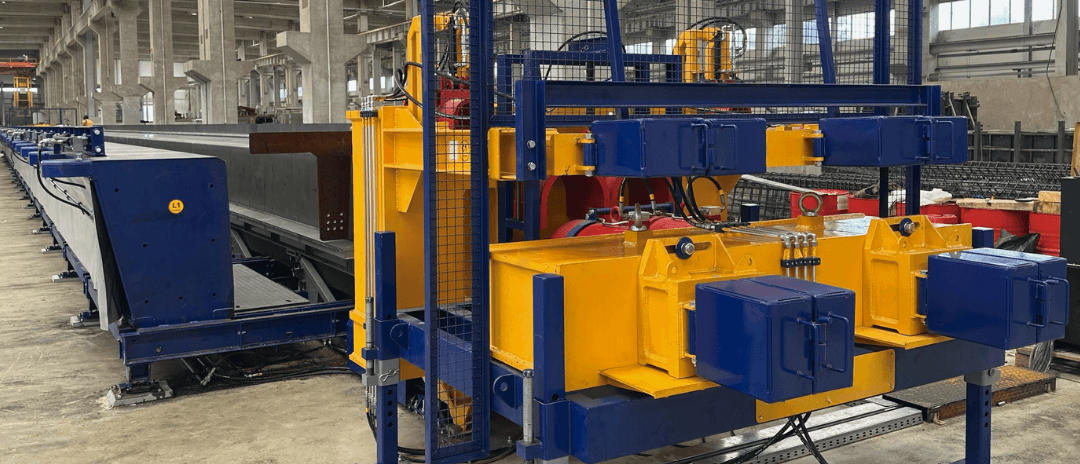
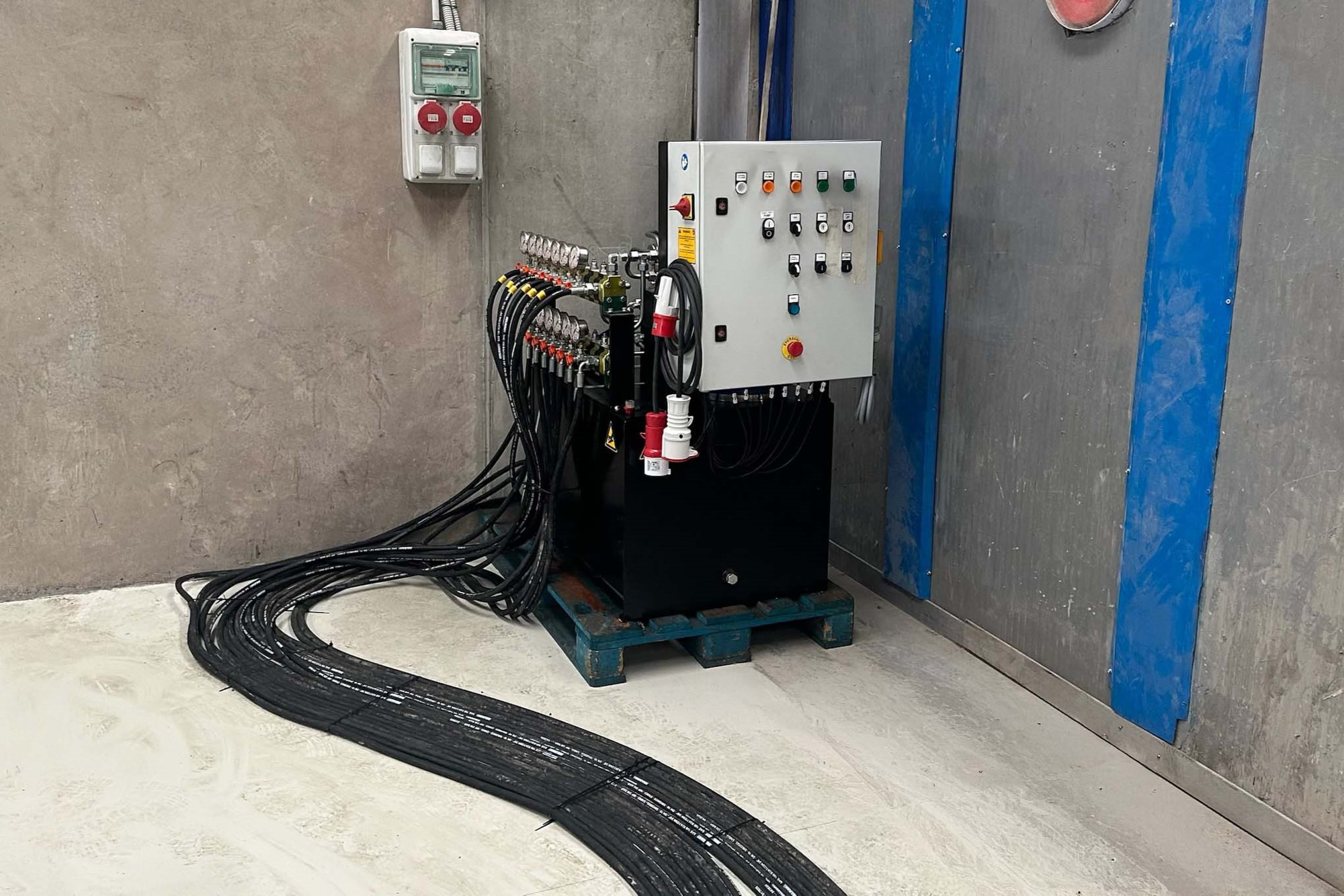
The project also highlighted something that Moldtech knows very well: the central role of hydraulic systems in the performance of its equipment. In the molds the company manufactures, hydraulics are not a secondary component. In Moldtech-developed equipment, hydraulics are a key element that determines movement precision, process stability, and long-term productivity.
"A well-dimensioned hydraulic system with quality components reduces wear, minimizes incidents, and guarantees stable long-term operation. Our customers run the molds for years; if the hydraulics are not reliable from the start, maintenance costs skyrocket." — Moldtech
This type of collaboration allows Moldtech to maintain the quality and reliability standards required in its international projects, where technical coordination and responsiveness are determining factors.